
A dental implant is an artificial tooth root. It’s a small post, usually made of titanium, that sits in the jawbone and holds a crown, bridge, or denture in place, as the NHS explains. The tooth you see when you smile is the crown. The implant stays out of sight, under the gum, where the old root used to be.
If you’ve started reading about dental implants in Greater Noida, it helps to know what the implant actually does before you compare treatment options. Below, we cover what it replaces, how it bonds with bone, how it compares with a bridge or denture, and who tends to be suitable.
What Does an Implant Actually Replace?
Mainly the root. The crown is only the part above the gum. Below it, a natural tooth is held in a socket of bone by its root, which is why it doesn’t shift when you bite into a thick roti.
Lose the tooth and the root goes too. The bone in that spot tends to shrink over the following months, according to a 2012 systematic review. An implant replaces the missing root. One implant can carry a single crown, while two or more implants can support a bridge or help keep a full denture from moving. The NHS describes implants as a fixed alternative to removable dentures, whether you’re replacing one tooth or several.
The Three Parts, from the Bone Up
Every implant-supported tooth has three main parts: the implant post, a connector called the abutment, and a custom-made crown. The American Academy of Implant Dentistry explains how these components work together. They’re usually fitted at different stages of treatment.
- The implant: A small, screw-shaped post placed in the jawbone where the natural tooth root used to be.
- The abutment: A short connector attached to the implant (in some systems, it’s built in) that supports the crown above the gum.
- The crown: The visible replacement tooth, custom-made to match the size, shape, and shade of the neighbouring teeth.
Patients only see the crown, so that’s where much of the planning goes, from its shade to how it meets your other teeth when you bite. There’s a separate guide on how the implant, abutment, and crown fit together if you’d like more detail about the materials used.
How Does a Metal Post End Up Holding a Tooth?
Once the implant is placed, the jawbone gradually grows around its surface and holds it in place. Dentists call this process osseointegration, and the American Dental Association notes that it can take several months.
Why the wait? The bone needs time to bond with the implant and provide stable support. The replacement tooth also has to be made to fit your mouth, so the NHS explains that treatment rarely finishes in a single visit. A typical plan involves an initial assessment, implant placement, a healing period, and finally fitting the crown. We’ve also explained how an implant bonds with the jawbone in a separate article.

Implant, Bridge, or Denture: What’s the Difference?
All three options replace missing teeth, but they’re held in place differently. A dental implant is anchored in the jawbone. A bridge is fixed in place but relies on neighbouring natural teeth for support. A removable denture, on the other hand, can be taken out for cleaning and at night, according to Leeds Teaching Hospitals NHS Trust.
| Feature | Implant | Bridge | Removable Denture |
|---|---|---|---|
| Fixed or removable | Fixed | Fixed | Removable |
| Neighbouring teeth | Generally left untouched | Usually used to support the replacement tooth | Partial dentures may use clasps for support |
| Minor surgery | Yes | No | No |
| Overall treatment time | Several months, mainly due to bone healing | Usually shorter | Usually shorter |
| Daily cleaning | Brushed and cleaned like natural teeth | Requires extra care underneath the replacement tooth | Removed and cleaned separately |
The biggest trade-off is what happens to the teeth either side of the gap. A bridge avoids surgery and is usually quicker, but it relies on neighbouring teeth for support. This is particularly worth considering if those teeth are healthy and have never needed dental work.
An implant leaves the neighbouring teeth alone, but involves minor surgery and a longer treatment period. A denture may be more suitable if several teeth are missing and you’d prefer to avoid surgery altogether. The cost depends on how many teeth need replacing and whether additional procedures are required. The most reliable estimate comes after a proper dental examination.
Who Is Usually Suitable for Dental Implants?
If your general health is good, dental implants may be an option. The American Dental Association notes that overall health is generally more important than age when assessing suitability. Chronic conditions such as diabetes can affect healing, while tobacco use can slow the recovery process.
Smokers should know one important statistic. A 2021 review of 292 studies found that implant failure was more than twice as likely in smokers as in non-smokers. If you smoke, mention it during your consultation, as it can influence how your dentist plans and monitors treatment.
Bone support matters too. If you’ve lost a tooth some time ago, the jawbone in that area may have become thinner. This is why dentists assess bone volume before recommending an implant, often using dental imaging. Thin bone doesn’t automatically rule you out, as additional procedures such as bone grafting may sometimes help.
How Long Do Dental Implants Last?
Dental implants can last for many years, although nobody can guarantee an exact lifespan. A 2019 review published in the Journal of Dentistry pooled data from 18 studies and found that approximately 96% of implants remained in place after 10 years. This is an overall estimate, and individual outcomes can vary depending on several factors.
What you do afterwards matters. Guy’s and St Thomas’ NHS Foundation Trust stresses that implants need ongoing care and regular dental check-ups. Your maintenance routine doesn’t stop once the crown is fitted. Daily cleaning, professional monitoring, and good oral hygiene all contribute to long-term implant health.
What to Ask at Your First Consultation
Bring any recent dental X-rays or relevant dental records to your first appointment. It can also help to prepare a few questions so you understand the treatment and your available options.
- Is there enough bone to support an implant, and how will you check it?
- What would the complete treatment timeline look like in my case?
- What are the advantages and disadvantages of each alternative?
- What does aftercare involve once the crown is fitted?
At Executive Implant Dental Clinic, implant treatment is led by Dr. K.D. Chaudhary, our founder and a prosthodontist with more than 21 years of experience in restorative and implant dentistry.
You can read more about our dental implant treatment or book a consultation at a time that suits you. Our team can help you understand the available options and discuss a treatment plan based on your dental health and individual needs.
Frequently Asked Questions
Will the Implant Look Different from My Other Teeth?
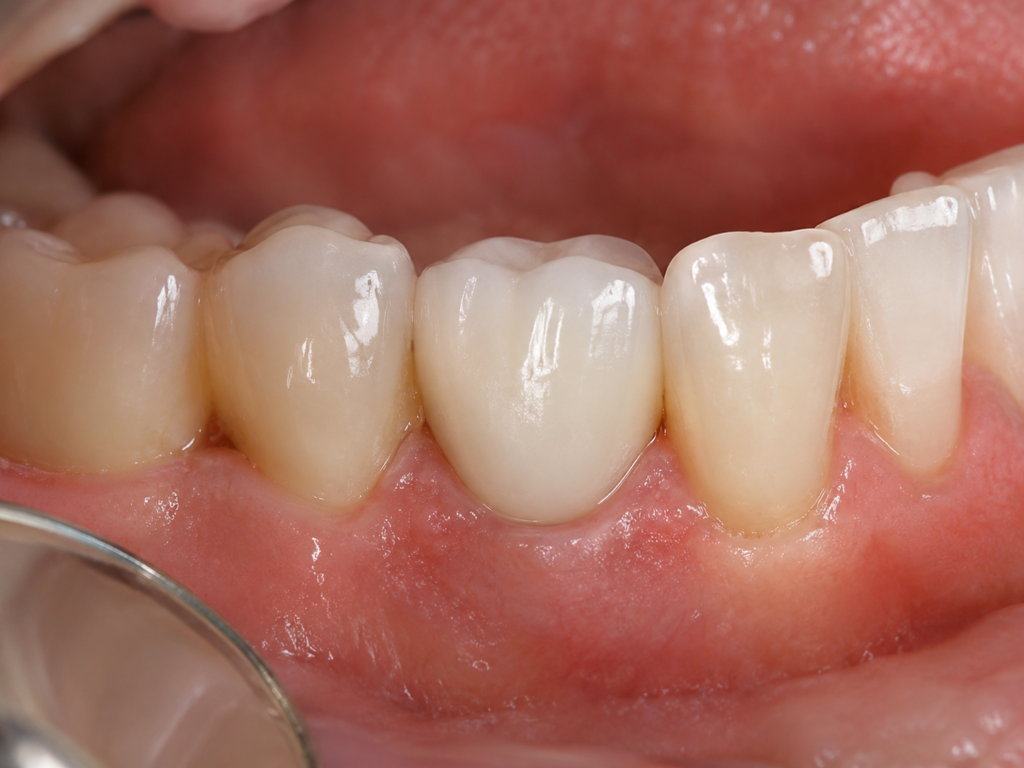
The visible part of the implant is the crown, which is custom-made to match your natural teeth, according to the American Academy of Implant Dentistry (AAID). Front teeth require particularly careful planning because the gum line is visible when you smile, and even small differences in shade or shape can be noticeable.
Does Getting a Dental Implant Hurt?
Implant placement is usually performed under local anaesthesia, which numbs the area being treated, as Guy’s and St Thomas’ NHS Foundation Trust explains. You may experience some soreness or swelling afterwards, but this varies from person to person. Ask your dentist what to expect during recovery and how to manage any discomfort.
Can I Get an Implant If I Lost the Tooth Years Ago?
Often, yes. However, the jawbone in the area may have thinned over time, so your dentist will first assess how much bone is available. If there isn’t enough bone to support an implant, a bone grafting procedure may sometimes help prepare the area for treatment, according to Leeds Teaching Hospitals NHS Trust.