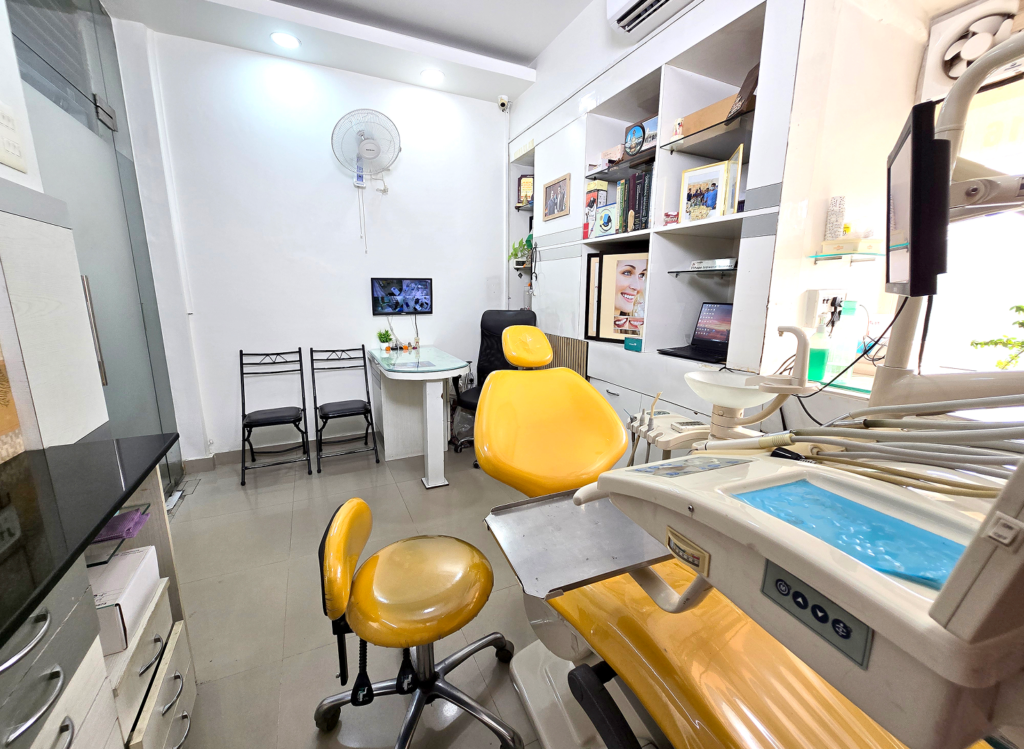
TMJ Treatment In Greater Noida

Jaw pain or stiffness can make everyday things like chewing and yawning uncomfortable. If you’re exploring TMJ treatment in Greater Noida, our team at Executive Implant Dental Clinic will listen to your symptoms and check your jaw before discussing what may help.

CALL US ON

+91 99719 63789

What Is TMJ Treatment?

The temporomandibular joints, or TMJs, connect your lower jaw to your skull, just in front of your ears. Problems affecting these joints or the surrounding muscles are called temporomandibular disorders, or TMD. You may also hear this described as TMJ treatment.
Treatment aims to reduce pain and help your jaw work more comfortably. It usually starts with simple measures and guided care. Toothache and other conditions can cause similar symptoms, so an assessment is important before deciding what to treat.

Signs Your Jaw May Need Assessment

These symptoms can have different causes. Having them checked can help you understand what is happening.

Jaw pain when you chew

Stiffness when opening your mouth

Clicking that comes with pain

Jaw locking or restricted movement

Tenderness around your jaw or temples

Options For Managing TMJ Symptoms

How TMJ Treatment Is Planned

Your Symptoms

We ask about your pain, jaw movement, and daily discomfort.

Jaw And Dental Check

We examine your jaw, muscles, and teeth.

Further Assessment

We may suggest tests or scans if needed.

Starting Your Care

We discuss suitable steps based on your symptoms.

Reviewing Progress

We check your progress and adjust care if needed.
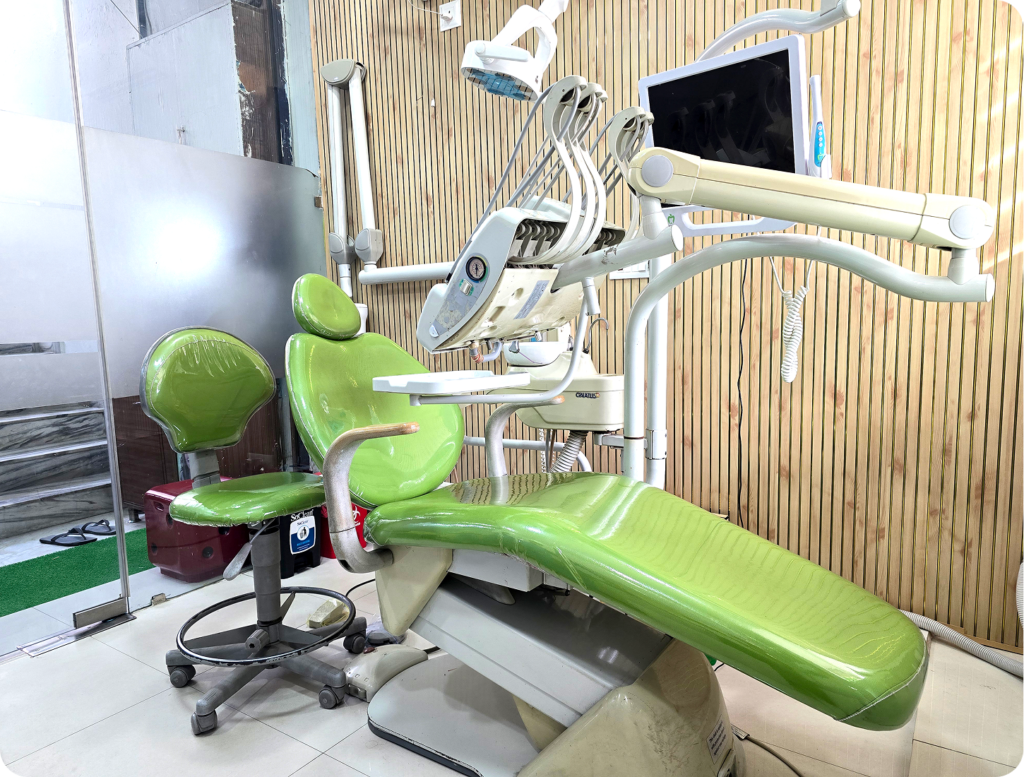
What To Expect From TMJ Treatment

TMJ care often includes simple changes you can follow at home. During a flare-up, you may be advised to eat softer foods for a short time, avoid opening your mouth too wide and reduce habits that put extra strain on your jaw.

Symptoms can improve slowly and may come and go. Some people need longer-term care and follow-up. If your jaw locks or you cannot eat or drink, seek urgent medical attention. Severe headaches or vision changes also need urgent medical assessment.

What TMJ Care Aims To Improve

Less discomfort when chewing

More comfortable jaw movement

Better awareness of aggravating habits

A clearer plan for managing flare-ups
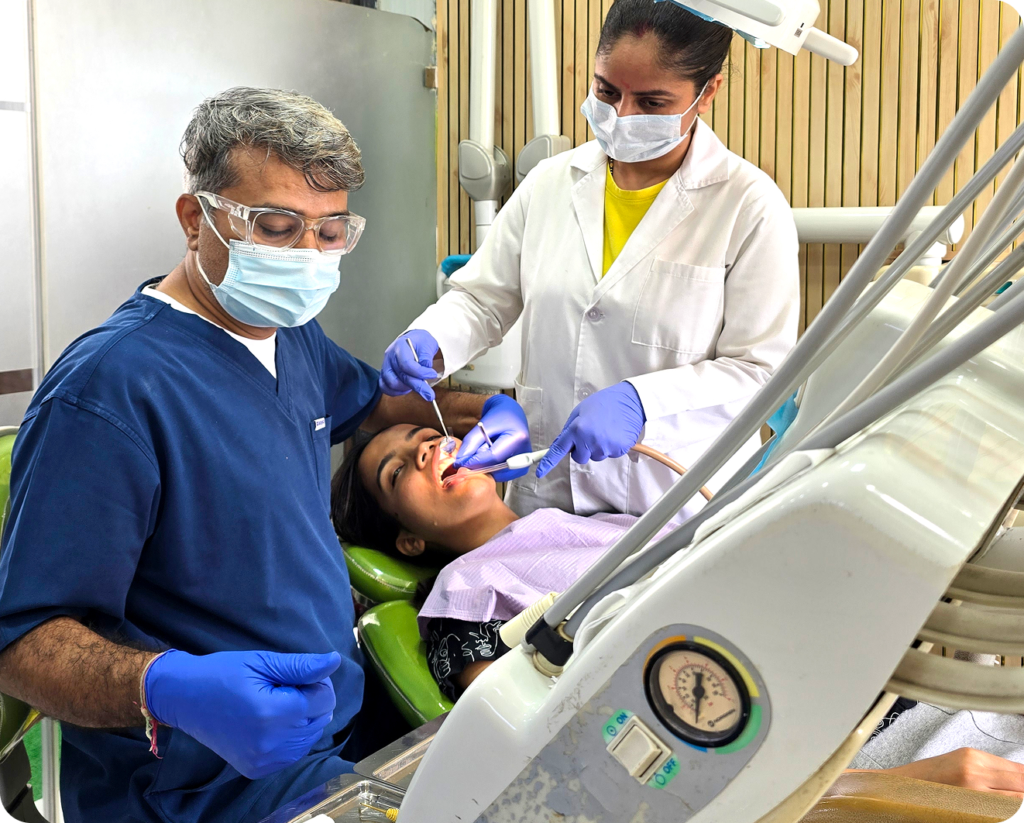
The aim is to make daily activities easier and help you understand your symptoms. Progress varies, so we can adjust your care as your symptoms change.

Treatment Considerations And Alternatives

No single treatment works for everyone. Some medicines can have side effects, and a splint may not help with jaw pain in every case. If a splint causes pain or changes the way your teeth meet, it should be checked.
Many people manage their symptoms with simple care, while others may need physiotherapy or further support. Surgery is only needed in certain cases. The right treatment depends on what is causing your jaw problem.

Understand Your Options For TMJ Treatment

If jaw pain or discomfort is making eating or daily activities difficult, it’s worth getting it checked. A consultation can help you understand what may be causing it and what to do next.

Why Choose Executive Implant Dental Clinic

Dr. K. D. Chaudhary, the founder of Executive Implant Dental Clinic, holds an MDS in Prosthodontics & Oral Implantology and has over 21 years of clinical experience. His background also includes advanced training in Full Mouth Rehabilitation using the Dawson Concept in the USA.
The clinic brings different areas of dental care together, so we can assess your jaw symptoms alongside your teeth and bite when needed.

faq

Common Questions About TMJ Treatment

The cost depends on the care you need. We’ll explain the charges before starting, including any tests or appliances.
Not always. A painless clicking jaw often needs no treatment, but pain, locking, or difficulty opening should be checked.
Not everyone needs one. A scan may be suggested if it helps explain what’s causing your symptoms.
There’s no fixed treatment time. Some symptoms settle with simple care, while others need longer follow-up.
Not necessarily. A mouthguard may protect your teeth from grinding, but it may not relieve jaw pain.
Usually not. Most treatment starts with simple measures, while surgery is considered only for certain problems.