

A tooth can hurt badly and still look completely normal in the mirror. Cavities are only one possible cause of toothache. Cracks, gum problems, worn enamel, teeth grinding, damaged fillings or even sinus problems can all cause pain that feels as though it’s coming from a tooth.
That’s why a dentist in Greater Noida, or anywhere else, rarely relies on appearance alone to diagnose tooth pain. Finding the source may involve a few simple tests and, in some cases, an X-ray. Here’s a look at the common causes, the symptoms that may point towards each one, and what to expect during a dental examination.
Why Can a Healthy-Looking Tooth Hurt?
Because many dental problems develop in areas you cannot see. Tooth decay can start between two teeth or underneath an old filling. An infection may develop around the tip of a tooth root, deep within the surrounding bone. Some cracks are also too small to spot during a visual examination.
According to nidirect, cracks in teeth can sometimes be too small to see with the naked eye.
The NHS also lists several causes of toothache beyond tooth decay, including dental abscesses, cracked teeth, loose or broken fillings, gum disease, teeth grinding and sensitive teeth. Several of these conditions can cause discomfort even when the tooth’s surface looks perfectly normal.
What Are the Common Causes of Toothache Without a Cavity?
The way your toothache feels can offer useful clues about its possible cause. Although symptoms alone cannot confirm a diagnosis, the following patterns can help you describe your discomfort to your dentist.
| What You Notice | What It Might Indicate |
|---|---|
| A sharp twinge after eating or drinking something cold, sweet or acidic that fades within seconds | Tooth sensitivity caused by worn enamel or receding gums exposing the tooth root |
| Sharp pain when biting down or releasing your bite | A cracked tooth or a loose or damaged filling |
| A dull, persistent throbbing sensation that gets worse at night or when lying down | Inflammation of the tooth nerve or a developing dental infection |
| Tooth pain accompanied by a bad taste, swelling or a pimple-like bump on the gum | A possible dental abscess or gum infection |
| Pain across several upper back teeth, especially when bending forward | Sinus pressure or inflammation affecting the upper teeth |
| Aching teeth and jaw in the morning, along with tired cheek muscles | Teeth clenching or grinding during sleep |
| Pain near the back of the mouth with swollen or tender gums | A wisdom tooth erupting or becoming impacted |
Your symptoms may not fit neatly into one category, and that’s perfectly possible. More than one condition can also contribute to tooth pain. A dental examination is the best way to identify the underlying cause.

Can Sinus Problems or Jaw Joint Issues Cause Toothache?
Yes. Both sinus problems and jaw joint disorders can cause pain that feels like it’s coming from your teeth.
The roots of your upper back teeth sit close to your maxillary sinuses. When these sinuses become blocked or inflamed, the resulting pressure can cause discomfort in several upper teeth. You may also experience a stuffy nose, facial pressure or pain that becomes worse when bending forward.
Jaw joint problems are another possible source of referred tooth pain. According to nidirect, problems with the jaw joint can sometimes produce symptoms that feel like toothache.
Clicking sounds when opening your mouth, jaw stiffness in the morning or pain near the front of your ear may point towards a jaw joint issue. If these symptoms sound familiar, read our guide on how to tell the difference between jaw pain and tooth pain.
How Does a Dentist Find the Cause of Tooth Pain?
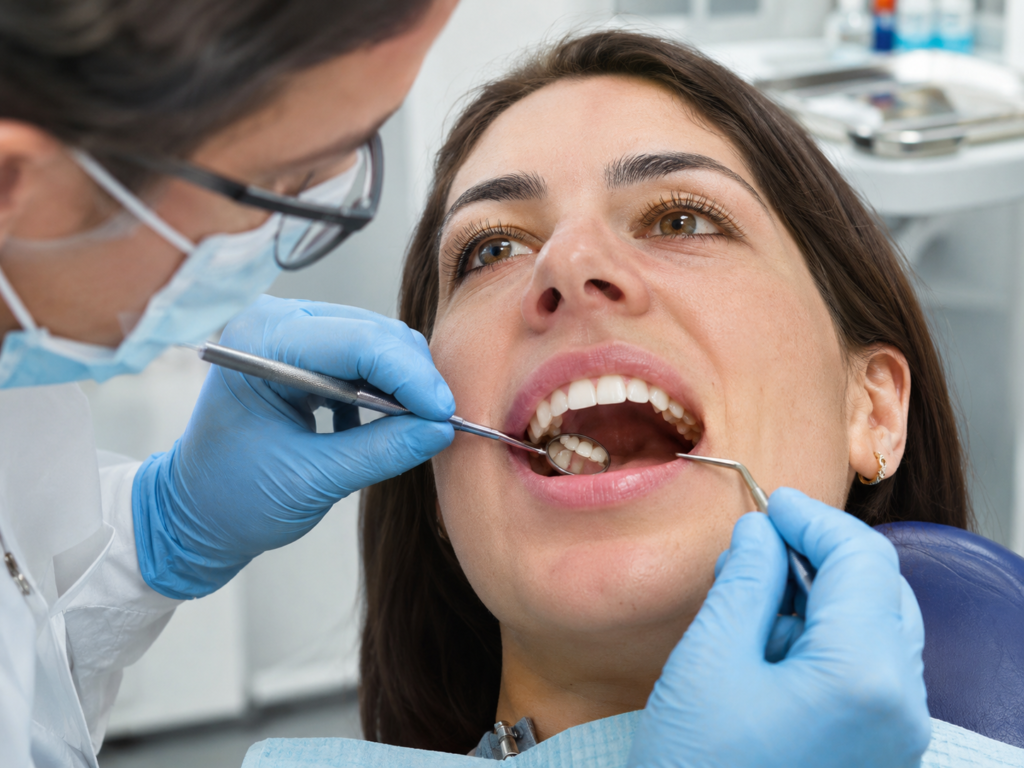
The examination usually starts with a few questions. When did the pain begin? What makes it worse? How long does each episode last? Does it wake you up at night? Your answers help your dentist narrow down the possible causes.
Your dentist may then perform a few simple tests, such as:
- Visual examination: Your dentist checks the teeth, gums and surrounding tissues for signs of damage, infection or other abnormalities.
- Tooth tapping test: Each tooth may be tapped gently to check for tenderness or signs of inflammation around the root.
- Cold sensitivity test: A cold stimulus may be applied to a tooth to assess how its nerve responds.
- Bite test: You may be asked to bite down on a small dental instrument or cotton roll to help identify possible cracks.
- Dental X-rays: X-rays can help reveal decay between teeth, problems beneath existing fillings and changes around the tooth roots.
Sometimes, the cause isn’t immediately obvious during the first appointment. This can happen with early cracks or certain types of nerve inflammation. Your dentist may recommend monitoring the symptoms and arranging a follow-up examination rather than proceeding with treatment without a clear diagnosis.
What Should You Tell Your Dentist About Your Toothache?
Before your appointment, take a moment to note down your symptoms. Tooth pain can be difficult to describe once you’re sitting in the dental chair, especially if it has temporarily eased.
Try to remember and share the following details:
- Which side hurts and whether the pain is in your upper or lower teeth.
- Whether you can identify one particular tooth or feel pain across a larger area.
- What triggers the discomfort, such as hot or cold drinks, sweet foods or biting.
- How long each episode of pain lasts and whether it is constant or comes and goes.
- Whether painkillers provide any relief.
- Any recent dental treatment, injury to your face or teeth, or a history of clenching and grinding.
- Whether you’ve recently had a cold, blocked nose or sinus discomfort.
These details can help your dentist understand your symptoms and decide which examinations or tests may be necessary.
What Can You Do About Toothache While Waiting for Your Appointment?
If you’re waiting to see your dentist, a few simple measures may help manage the discomfort. The NHS recommends the following steps:
- Consider pain relief such as paracetamol or ibuprofen, if suitable for you, and follow the instructions on the packaging or advice from a healthcare professional.
- Choose soft foods that are easier to chew.
- Use a soft-bristled toothbrush to clean your teeth gently.
- Avoid very hot, cold or sugary foods and drinks if they trigger pain.
- Chew on the opposite side of your mouth if biting causes discomfort.
Never place aspirin directly against your tooth or gum, as it can irritate and damage the surrounding tissue. Home remedies may offer temporary relief, but they cannot treat the underlying cause of toothache.
When Is Toothache a Dental Emergency?
Some symptoms need urgent medical or dental attention. According to the NHS, you should seek emergency medical care if swelling around your mouth or neck makes it difficult to breathe, swallow or speak, or if swelling spreads around your eye or affects your vision.
Facial swelling accompanied by a high temperature also needs prompt assessment, as it may indicate a spreading infection.
For other types of toothache, arrange a dental appointment if the pain lasts longer than a couple of days, keeps returning or disrupts your sleep. Even if the pain suddenly disappears, don’t assume the problem has resolved. In some cases, the tooth nerve may lose its ability to respond, while an underlying infection remains.
At Executive Implant Dental Clinic, Dr. K.D. Chaudhary is a prosthodontist with more than 21 years of experience in restorative and implant dentistry.
If your toothache started after a filling fell out, read our guide on what to do after losing a dental filling. Otherwise, contact our clinic to request an appointment and discuss your symptoms with a dentist. Bringing a note of when the pain started and what makes it worse can help during your consultation.
Frequently Asked Questions About Toothache Without a Cavity
Can a Tooth Hurt Without Being Decayed?
Yes. A tooth can hurt even when there is no visible decay. Cracks, gum infections, worn enamel, teeth grinding, sinus pressure and jaw joint problems can all cause tooth pain without a cavity. That’s why a dental examination, and sometimes an X-ray, is important for identifying the actual cause.
Why Does My Tooth Hurt Only When I Bite Down?
Pain that occurs when you bite down or release your bite can be a sign of a cracked tooth or a loose filling. It may also happen if a recently placed filling is slightly too high and affects how your teeth meet. Arrange a dental examination to identify the cause and prevent further damage.
Can Stress Cause Toothache?
Yes, indirectly. Stress can contribute to teeth clenching and grinding, particularly during sleep. This puts additional pressure on your teeth and jaw muscles, potentially causing tooth sensitivity, jaw discomfort and aching teeth, especially when you wake up.