
Root Canal Treatment In Greater Noida

A painful or infected tooth can make eating and sleeping difficult, but it may still be possible to save it. At the Executive Implant Dental Clinic, we examine the tooth and explain whether root canal treatment can help save and restore it.

CALL US ON

+91 99719 63789

What Is Root Canal Treatment?

Root canal treatment treats a tooth when the pulp inside it becomes infected or badly inflamed. The dentist removes the infected pulp, cleans and fills the inside of the tooth, and seals it to protect it.
It may be needed when deep decay, a crack, or an injury reaches the pulp. The tooth also needs enough healthy structure to be restored and used normally after treatment.

When Should A Tooth Be Assessed?

These symptoms can have different causes, so arrange an examination if you notice any of these.

Toothache that begins without an obvious trigger

Pain that lingers after hot or cold food

Discomfort when biting or chewing

Swelling or a small pimple on the gum

A tooth changing color after an injury

Which Approach Might Your Tooth Need?

What Happens During Root Canal Treatment?

Checking The Tooth

The tooth is examined, and X-rays help determine the extent of the infection.

Numbing The Tooth

Local anesthetic is used as needed, and a dental dam isolates the tooth during treatment.

Cleaning The Canals

The infected pulp is removed, and the dentist carefully cleans and shapes the canals.

Filling The Canals

The cleaned canals are filled and sealed to prevent reinfection.

Restoring The Tooth

The tooth is restored with a suitable filling, onlay, or crown to protect it during normal use.
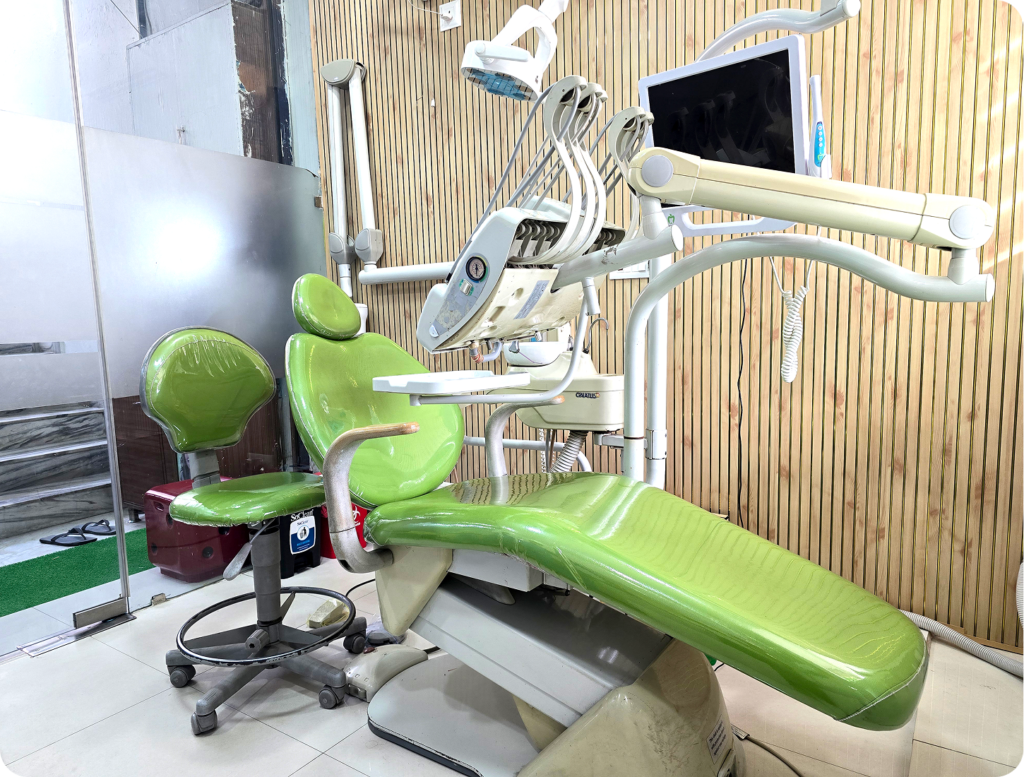
What To Expect During Treatment

Root canal treatment may take one or more visits, depending on the tooth and treatment needed. You may feel some pressure during the procedure, but you should not ignore pain. Tell the dentist if you feel uncomfortable so they can check the anesthetic.

Some tenderness is normal afterward and usually settles as the tooth heals. Follow the advice given about pain relief and eating, and avoid chewing hard foods on a tooth that has not been fully restored.

How Suitable Root Canal Treatment Can Help

Treats infected or inflamed pulp inside the tooth

Can relieve pain caused by pulp inflammation

Helps preserve a tooth that can still be restored

Allows the tooth to be restored for normal use
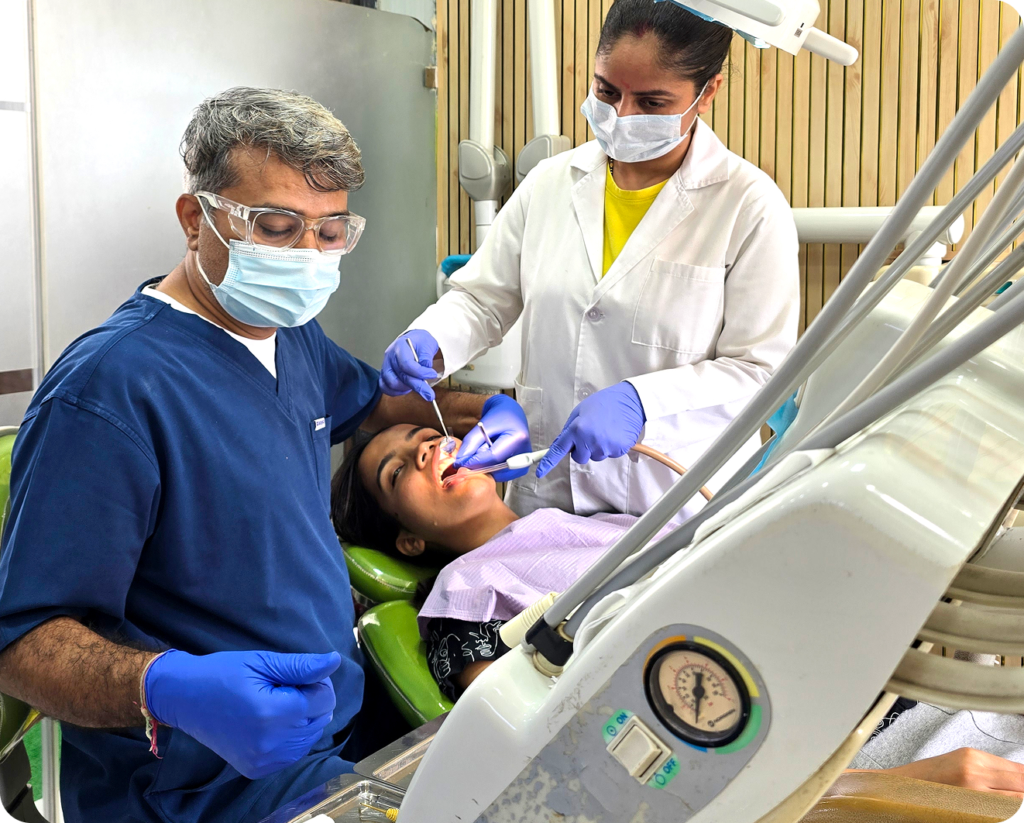
The aim is to save the tooth when it has enough healthy structure and a reasonable chance of healing after treatment. Contact your dentist if pain or swelling gets worse, or if a temporary filling comes out.

Risks And Alternatives

Root canal treatment can be difficult when canals are narrow, curved, or hard to locate. A small instrument can also break inside the tooth, and there is a risk of an opening forming in the root. Infection may remain or return, and the tooth can fracture later.
If the tooth cannot be saved, extraction may be needed. Depending on the tooth and condition of the pulp, alternatives may include pulp treatment or monitoring in selected cases. After extraction, we may discuss options such as an implant, bridge, or denture to replace the missing tooth.

Talk To Our Dental Team

If you’re dealing with a painful or infected tooth, book a consultation at Executive Implant Dental Clinic. We’ll examine the tooth and explain whether root canal treatment can save it, along with the treatment and restoration involved.

Why Choose Executive Implant Dental Clinic

Executive Implant Dental Clinic’s founder, Dr. K. D. Chaudhary, holds an MDS in Prosthodontics & Oral Implantology and has over 21 years of clinical experience. He also has advanced training in Full Mouth Rehabilitation using the Dawson Concept in the USA.
When planning root canal treatment in Greater Noida, you can ask about specialist input, protecting the tooth between visits, and the follow-up recommended for your case.

faq

Common Questions About Root Canal Treatment

The cost depends on the tooth, treatment difficulty, and whether it needs retreatment or a final crown.
The tooth is numbed during treatment, although some soreness can happen afterward and should gradually improve.
Some teeth can be treated in one visit, while others may need several depending on the infection and canal structure.
Not every tooth needs a crown. The right restoration depends on how much healthy tooth remains and which tooth was treated.
Yes, a tooth can have an infection without causing pain. An examination, tests, and X-rays help identify these problems.
A painful tooth should be checked because it may need retreatment or another solution, depending on the cause.