
Dental Extraction In Greater Noida

Being told that a tooth may need to be removed can bring up plenty of questions. If you’re considering dental extraction in Greater Noida, our team at Executive Implant Dental Clinic will first check whether the tooth can be saved and explain your options.

CALL US ON

+91 99719 63789

What Is A Dental Extraction?

A dental extraction means removing a tooth from its socket. You may need one if a tooth is too damaged to repair, keeps recurring despite treatment, or needs removal as part of an orthodontic plan.
A tooth that’s easy to reach may need a straightforward extraction. A broken or difficult-to-access tooth may need a surgical approach. Before either, your dentist checks whether a filling, crown, or root canal treatment could keep it.

Signs A Tooth Needs Assessment

These signs don’t always mean the tooth needs to be removed. A dental check can show what’s causing the problem and whether the tooth can be saved.

A badly broken or decayed tooth

Toothache that keeps returning

Swelling around a tooth or gum

A tooth causing trouble even after treatment.

A broken tooth with a root left behind

Types Of Dental Extraction

The Dental Extraction Procedure, Step By Step

Assessment

We examine the tooth and review any imaging needed to understand the problem.

Treatment Discussion

We explain tooth-saving options, removal, and any plans for the resulting gap.

Preparation And Numbing

We review your health and medicines, then numb the treatment area.

Tooth Removal

We remove the tooth using the agreed approach, with stitches when needed.

Aftercare And Follow-up

We explain how to care for the socket and when it needs checking.
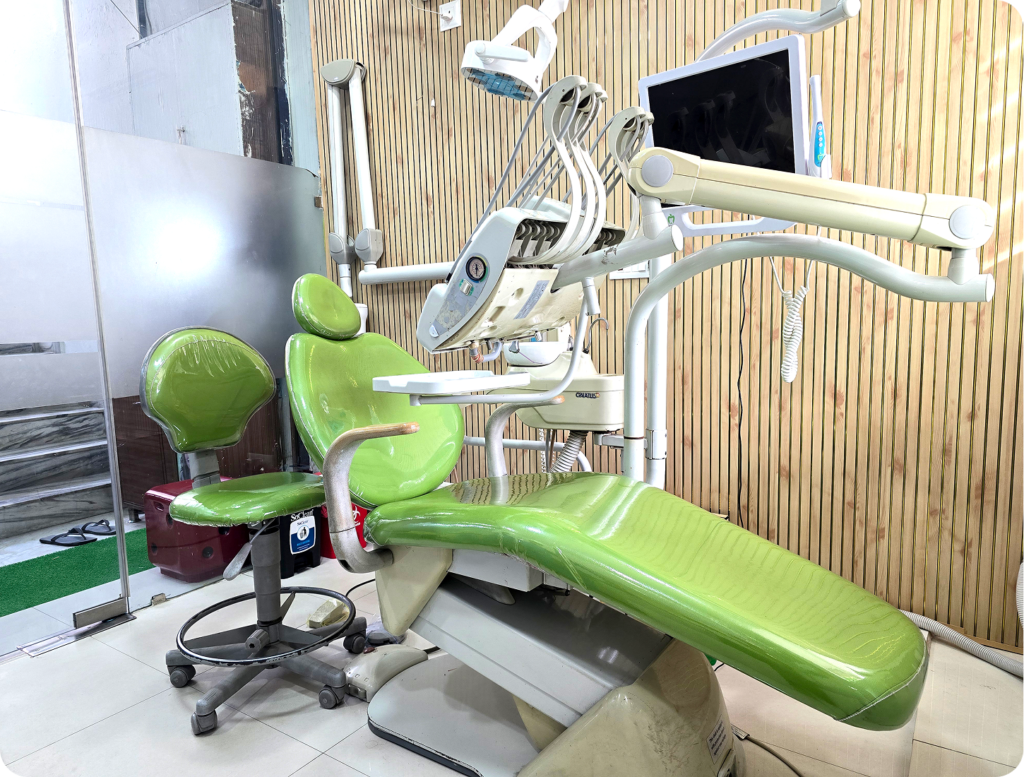
What To Expect After A Dental Extraction

Some soreness, swelling, and a little blood in your saliva are normal after an extraction. The area needs time to heal, and recovery can vary from person to person.

For the first 24 hours, avoid rinsing, spitting, or touching the socket. Eat soft foods, avoid smoking, and follow the cleaning instructions you’re given. Contact a dentist if bleeding continues or if pain or swelling worsens. Trouble breathing or swallowing needs emergency care.

When A Dental Extraction Can Help

Removes a tooth that cannot be repaired

Helps treat an infection caused by the tooth

Makes space for some orthodontic treatments

Makes room for a tooth replacement
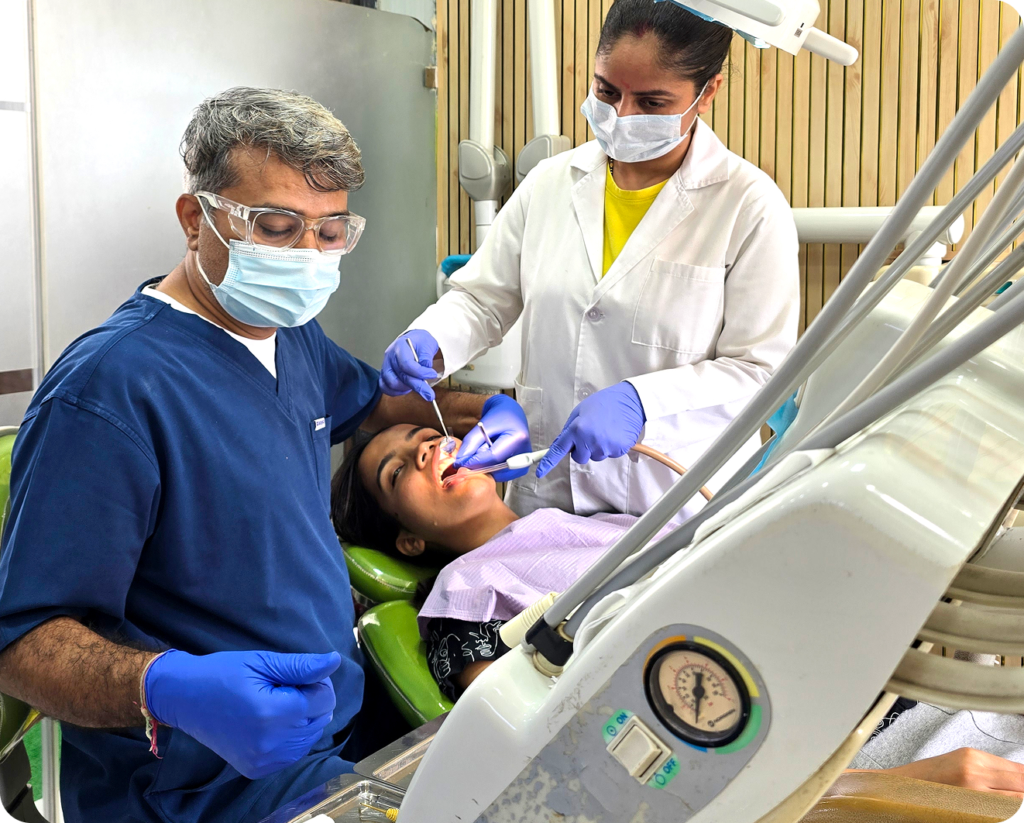
Extraction may be considered when the tooth cannot be saved. We’ll also discuss how the area will heal and whether to replace the missing tooth.

Risks And Alternatives

Risks can include bleeding, infection, dry socket, and damage to nearby teeth or dental work. Some extractions also carry a risk of affecting a nearby nerve or the sinus above the upper back teeth. Your dentist will explain the risks before treatment.
Sometimes, a filling, crown or root canal treatment can help save the tooth. If the tooth needs to be removed, you can discuss options such as a bridge, denture or implant. Not every gap needs to be replaced, and the right choice depends on your teeth, bite and what works for you.

Understand Your Options

An assessment can help you understand what is happening with the tooth and whether it can still be treated. If extraction is needed, we’ll also explain what to expect afterward and your options for the missing tooth.

Why Choose Executive Implant Dental Clinic

Executive Implant Dental Clinic was founded by Dr. K. D. Chaudhary, an MDS-qualified prosthodontist and implantologist with over 21 years of clinical experience. His advanced training in Full Mouth Rehabilitation using the Dawson Concept in the USA adds to his background in restorative dental care.
For patients considering dental extraction in Greater Noida, our team can discuss the problematic tooth and any post-extraction care needed. You can ask about keeping the tooth, expected costs, and replacement options before deciding.

faq

Common Questions About Dental Extraction

The cost depends on which tooth is involved and whether removal is straightforward or surgical. We’ll explain the charges after assessment, including any separate imaging or replacement treatment.
Sometimes. Pain alone does not decide whether a tooth needs removing; a filling, root canal treatment, or restoration may be suitable depending on the damage.
The dentist uses local anesthetic to numb the area. You may feel pressure or movement; tell your dentist if anything hurts so they can check before continuing.
Share your medical history and a full list of medicines, including blood thinners. Do not stop a prescribed medicine yourself; your clinician will explain any changes needed.
Seek urgent dental advice if bleeding won’t settle or pain and swelling become severe or worsen. Go to an emergency department if you have trouble breathing or swallowing.
It depends on which tooth was removed and how the gap affects your mouth. Options can include a bridge, denture, or implant, while some gaps can be left without replacement.